Admin

Gaming website SEO tips to rank higher on Google

How to Ranked Gaming Website on Google

How to Rank Your Gaming Website on Google   Introduction: Achieving top rankings for your gaming website requires a strategic SEO approach. This guide outlines effective techniques to boost visibility and traffic. Here we will guide you How to Ranked Gaming website on Google. To rank your gaming website on Google, start by optimizing your site’s content for the right keywords. Incorporate relevant SEO for gaming websites techniques, such as using gaming website SEO strategies. This will help improve your website’s visibility and drive more organic traffic from search engines. Enhance your website’s structure by focusing on Google SEO tips that improve site speed and mobile usability. Optimizing images, using proper headings, and creating a user-friendly layout are essential for better rankings. With these simple SEO strategies, your gaming website can see higher visibility on Google. Building quality backlinks is crucial for improving your Google rankings. Focus on obtaining links from authoritative gaming-related websites. This will improve your gaming website’s SEO and contribute to higher rankings on Google, ensuring your site becomes a top choice for gamers searching online. 1. Keyword Research: Focus on long-tail keywords like “rank gaming website on google.” Use tools such as Ahrefs, SEMrush, and Google Keyword Planner. Target low-competition, high-volume keywords. 2. On-Page SEO: Optimize title tags, meta descriptions, and use structured headings (H1, H2, H3). Maintain a keyword density of 1-2%. Add ALT tags to gaming images and use internal linking. 3. Content Creation: Publish detailed reviews, guides, and tutorials. Include gameplay videos, infographics, and screenshots. Ensure content exceeds 2000 words and offers unique insights. 4. Technical SEO: Improve loading speed with CDNs and image compression. Implement mobile-friendly, responsive design. Secure your site with HTTPS and submit an XML sitemap to Google Search Console. 5. Backlink Building: Guest post on gaming blogs. Collaborate with influencers and engage in forums. Use broken link-building tactics. 6. Social Media Engagement: Share content on platforms like YouTube, Reddit, and Discord. Join gaming communities and encourage social sharing. 7. User Experience (UX): Enhance navigation and add clear CTAs. Enable user comments and reviews. 8. Performance Monitoring: Track progress with Google Analytics and Search Console. Analyze user behavior and update content regularly. Features:   Expert SEO Strategies: Proven techniques to help your website rank higher on Google and attract more traffic. Customized Solutions: Tailored SEO services for gaming websites to meet specific needs and objectives. Mobile-Friendly Optimization: Ensuring your gaming website is fully optimized for mobile devices to reach a broader audience. Fast, Reliable Support: Quick and responsive customer support to assist you with any queries or issues. Quality Backlinks: Building authoritative backlinks that enhance your website’s credibility and improve search engine rankings. Comprehensive Analytics: Detailed tracking and analysis to monitor your website’s performance and adjust strategies accordingly. Local & Global SEO Expertise: Expertise in both local and international SEO practices to boost your website’s visibility on a global scale. SEO for All Gaming Niches: Specialized SEO services for all types of gaming websites, including iGaming, eSports, and casual gaming. Content Optimization: Ensuring your content is SEO-friendly, engaging, and tailored to the needs of your target audience. Affordable Plans: Offering flexible pricing options to suit the needs of both small and large gaming websites. Conclusion: Consistent SEO efforts, quality content, and community engagement will help your gaming website rank higher on Google. Stay updated on trends and adapt your strategies for ongoing success. Contact us today, or connect with us on Facebook for the latest updates and instant support!

How to Ranked Gaming Website on Google Read More »
Useful Steps to Build Quality Backlinks for SEO

Useful Steps to Build Quality Backlinks

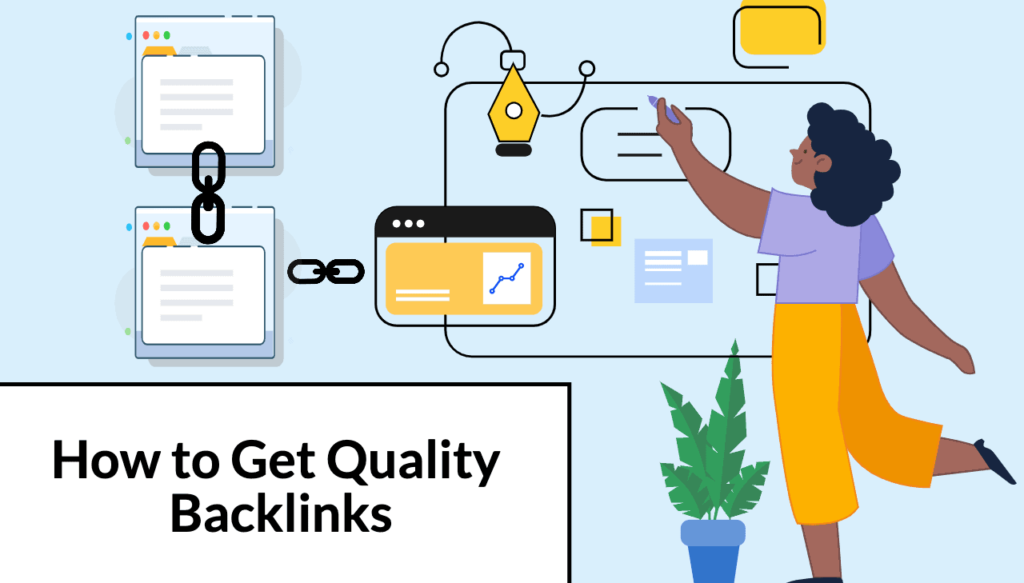
Introduction Quality backlinks are essential for boosting your website SEO and improving Google rankings. Here’s a guide to building effective backlinks using proven strategies. Building quality backlinks is a crucial aspect of improving your website’s SEO performance. High-quality backlinks signal to search engines that your site is trustworthy and authoritative, helping to boost your website’s rankings. The process of acquiring these valuable backlinks is essential for driving organic traffic and ensuring long-term SEO success. By following the right steps, you can effectively increase your website’s visibility and enhance its credibility in the digital space. One of the most important steps to build quality backlinks is to focus on high-authority websites. Backlinks from reputable sources have a significant impact on your SEO rankings, as search engines give more weight to these links. Whether it’s guest posting, reaching out to industry influencers, or getting featured in high-quality directories, building strong backlinks from credible sources will significantly improve your domain authority and overall site performance. Moreover, building quality backlinks requires a strategic approach. It’s not just about the number of backlinks, but their relevance and quality. Prioritize obtaining relevant backlinks from websites within your industry or niche, as these are more likely to boost your rankings. By consistently focusing on acquiring high-quality, relevant backlinks, you can improve your SEO, drive more organic traffic, and achieve long-term success in search engine results. 1. Create Valuable Content Publish unique articles, videos, and infographics. Address common problems within your niche. Keep content fresh with regular updates. 2. Engage in Guest Blogging Find niche-specific blogs accepting guest posts. Contribute insightful articles with backlinks. Align with the target site’s style and audience. 3. Fix Broken Links Use tools like Ahrefs to locate broken links. Offer your content as a suitable replacement. Reach out to site owners with a polite pitch. 4. Utilize Social Platforms Share content on LinkedIn, Twitter, and Pinterest. Participate in Reddit and Quora discussions. Collaborate with influencers to amplify reach. 5. Submit to Directories & Forums List your site in reputable directories. Provide value in forum discussions, adding backlinks. 6. Partner with Influencers Offer products for review. Collaborate on case studies or interviews. 7. Apply the Skyscraper Technique Improve upon high-performing content. Contact sites linking to the original piece with your superior version. 8. Participate in Podcasts and Webinars Share your knowledge on industry platforms. Secure backlinks from show notes or event pages. 9. Strengthen Internal Links Use keyword-rich anchor text for interlinking. Ensure every page has several internal links. 10. Analyze and Manage Backlinks Use tools like SEMrush for backlink tracking. Disavow harmful, low-quality backlinks. Conclusion Building quality backlinks requires patience and consistency. Implement these strategies, monitor results, and refine your approach to achieve long-term SEO success. Contact us: Contact us today for more information or inquiries. You can also reach us on Facebook for quick updates, support, and assistance.

Useful Steps to Build Quality Backlinks Read More »

Difference Between Domain Rating and Domain Authority in SEO

What is difference between Domain Rating and Domain Authority?

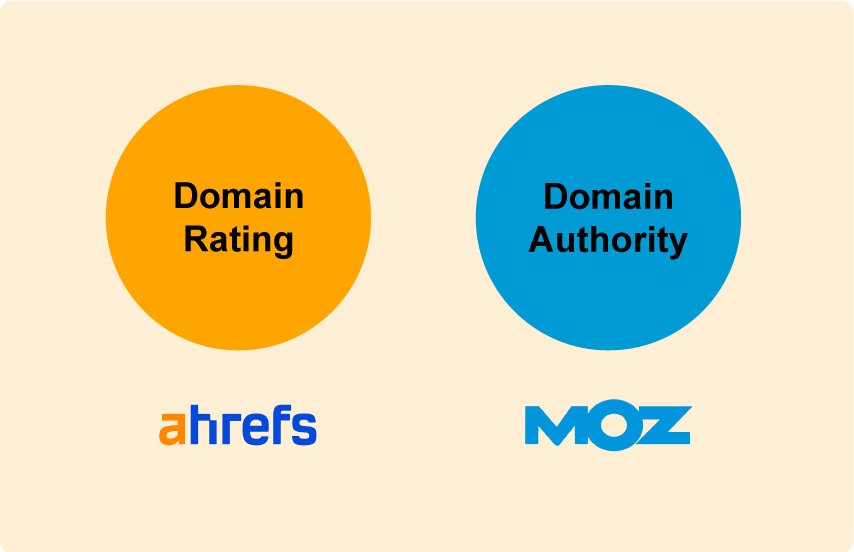
Domain Rating vs Domain Authority: Key Differences You Need to Know for SEO Success   Domain Rating (DR) and Domain Authority (DA) are two different metrics used to assess the strength and authority of a website’s domain in the context of search engine optimization (SEO). While they serve similar purposes, they are provided by different SEO tools, Ahrefs and Moz, respectively, and have some distinctions in terms of how they are calculated and used: Domain Rating (DR): Provided by: Ahrefs. Calculation: DR is calculated based on the quantity and quality of backlinks pointing to a website. It considers the number of referring domains, the authority of those domains, and the diversity of backlinks. Scale: DR is measured on a scale from 0 to 100, with higher scores indicating a stronger backlink profile and more authority. Use: DR is mainly used to evaluate the overall strength of a website’s backlink profile, helping you understand how authoritative a domain is in terms of its ability to rank well in search results. Ahrefs’ Focus: Ahrefs is known for its extensive backlink analysis, and DR is a central metric in its SEO toolbox. Domain Authority (DA): Provided by: Moz. Calculation: DA is calculated based on several factors, including the quantity and quality of backlinks, on-page SEO factors, social signals, and more. Moz uses its own algorithms to provide a single numerical value. Scale: DA is measured on a scale from 0 to 100, with higher scores indicating a stronger domain in terms of authority and ability to rank. Use: DA is used to assess a website’s overall authority and its potential to rank well in search results. It provides a holistic view of a domain’s strength. Moz’s Focus: Moz is well-known for its SEO tools and data, with DA being a key metric among its offerings. In summary, while both Domain Rating (Ahrefs) and Domain Authority (Moz) aim to gauge a website’s authority and ability to rank in search engines, they use different methodologies and data sources to calculate their respective scores. It’s essential to understand which tool and metric you prefer to use, but keep in mind that these metrics are relative and should be used as part of a broader SEO strategy rather than as the sole determinant of a website’s SEO performance. Different SEO professionals may have their preferences for one metric over the other, but both can be valuable in assessing a website’s strength and authority. The Difference Between Domain Rating and Domain Authority lies in their measurement of website strength and how they impact SEO. DR, developed by Ahrefs, measures the overall backlink profile strength of a website, specifically looking at the quantity and quality of backlinks. On the other hand, DA, developed by Moz, predicts how likely a website is to rank on search engine result pages based on various factors, including backlinks and overall SEO health. While both metrics indicate a website’s authority, DR is more focused on backlink quality, and DA gives a broader view of a website’s ability to rank on search engines. Understanding these differences is essential for improving your site’s SEO and overall online visibility. Contact us: Contact us for more details or inquiries. You can also connect with us on Facebook for quick updates, support, and assistance.

What is difference between Domain Rating and Domain Authority? Read More »